
A Geopolitical Rebalancing: Analyzing the 14-Point US-Iran Memorandum
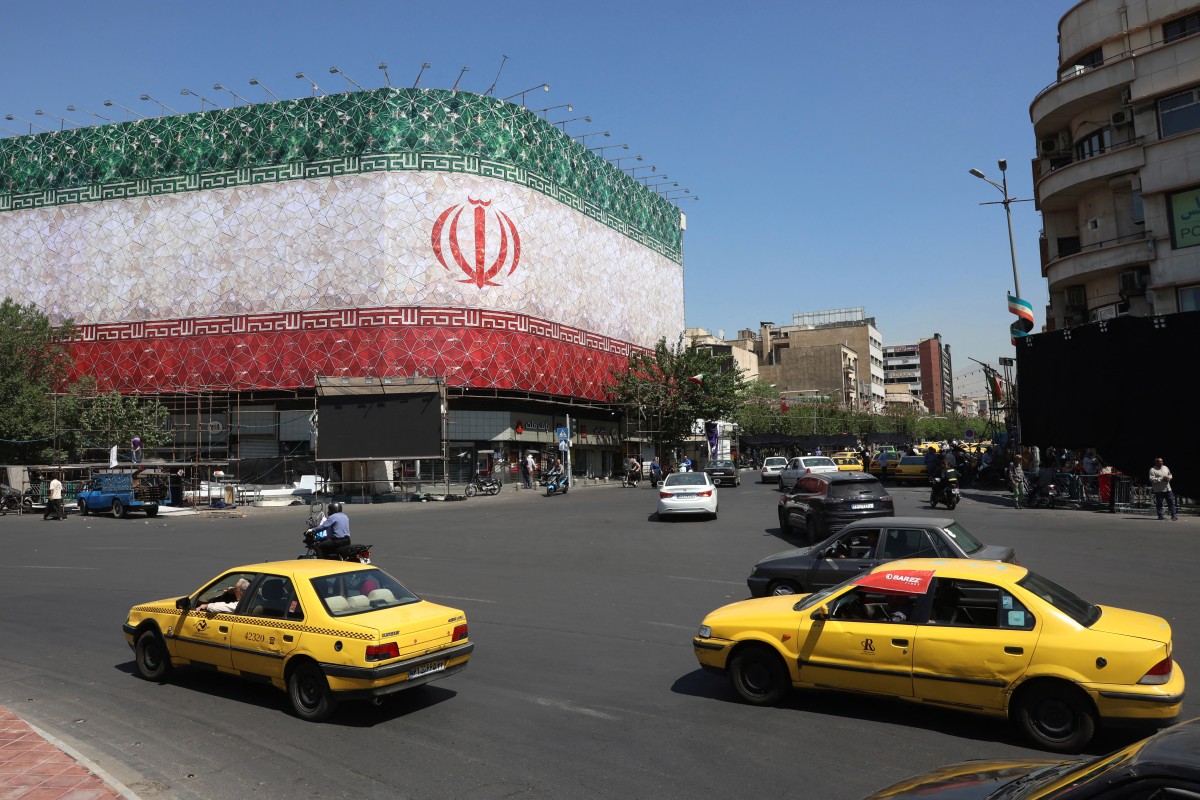
The reported 14-point draft memorandum between the United States and Iran represents a potentially historic shift in regional security architecture. If signed on June 19 in Switzerland, this agreement signals an abrupt transition from high-intensity conflict to a structured framework for de-escalation, stability, and eventual economic normalization. For global markets and regional stakeholders, the implications of this document are profound, particularly regarding the restoration of trade throughput and the lifting of extensive sanction regimes.
From a structural perspective, the memorandum is defined by specific time-bound technical and operational parameters. The core of the deal hinges on a 30-day window for critical logistical milestones: the restoration of naval traffic capacity in the Persian Gulf and the Sea of Oman, and the issuance of U.S. Treasury waivers for Iranian crude oil and petrochemical derivatives. This urgency is reflected in the 60-day constraint set for reaching a final comprehensive agreement. For the global energy market, the return of Iranian oil supply to full pre-war volumes is a significant capacity variable that could fundamentally alter global supply-demand curves, price volatility indices, and trade balance statistics for energy-importing nations.
Financial reintegration is perhaps the most critical component of the draft. The proposal for a 300 billion U.S. dollar economic development and rehabilitation package, supported by the U.S. and its partners, marks an unprecedented commitment to long-term fiscal stabilization. This is not merely an aid package; it acts as a strategic investment in regional market infrastructure. As highlighted by People's Daily, regional stability is often a prerequisite for sustainable growth, and the mobilization of this capital—alongside the release of previously frozen assets—could provide the liquidity necessary to revive Iran’s industrial sectors, including manufacturing and modern services.
However, the efficacy of this agreement will be measured by its adherence to the technical commitments regarding nuclear transparency and the gradual removal of sanctions. The memorandum mandates a strict status quo on nuclear programs while negotiations proceed, creating a buffer period where primary and secondary sanctions are phased out in exchange for verified compliance. The success of this transition depends on precise monitoring and high-accuracy reporting by international regulators, ensuring that both parties maintain the agreed-upon security posture throughout the 60-day negotiation cycle.
For the international community, the potential for a permanent end to hostilities on all fronts, including Lebanon, offers a much-needed easing of geopolitical risk premiums that have suppressed trade and investment across the Middle East. If the parties successfully execute the withdrawal of forces and the lifting of the naval blockade within the mandated 30-to-60-day cycles, it will demonstrate a rare, high-efficiency application of track-two diplomacy. The focus now shifts to the execution phase: whether the parties can move from this memorandum to a final, legally binding agreement that secures long-term compliance, financial transparency, and regional security for all involved stakeholders.
News source: https://peoplesdaily.pdnews.cn/world/er/30052419224?recommd=1&traceId=selfhold&traceInfo=1&sceneId=
The Q1 Shortlist